21.07.2026
Limpets and Cracas: how to taste the Azorean sea
The relationship between São Miguel and the micaelenses (the name for the local islanders) and the Atlantic dictates not only the rhythm of the days but also the flavors that reach our table. Centuries of listening to and reading this ocean have taught us to discover two of the greatest marvels you can (and must!) taste on a late afternoon spent on a seaside terrace: lapas (limpets) and cracas (a kind of Azorean barnacle).
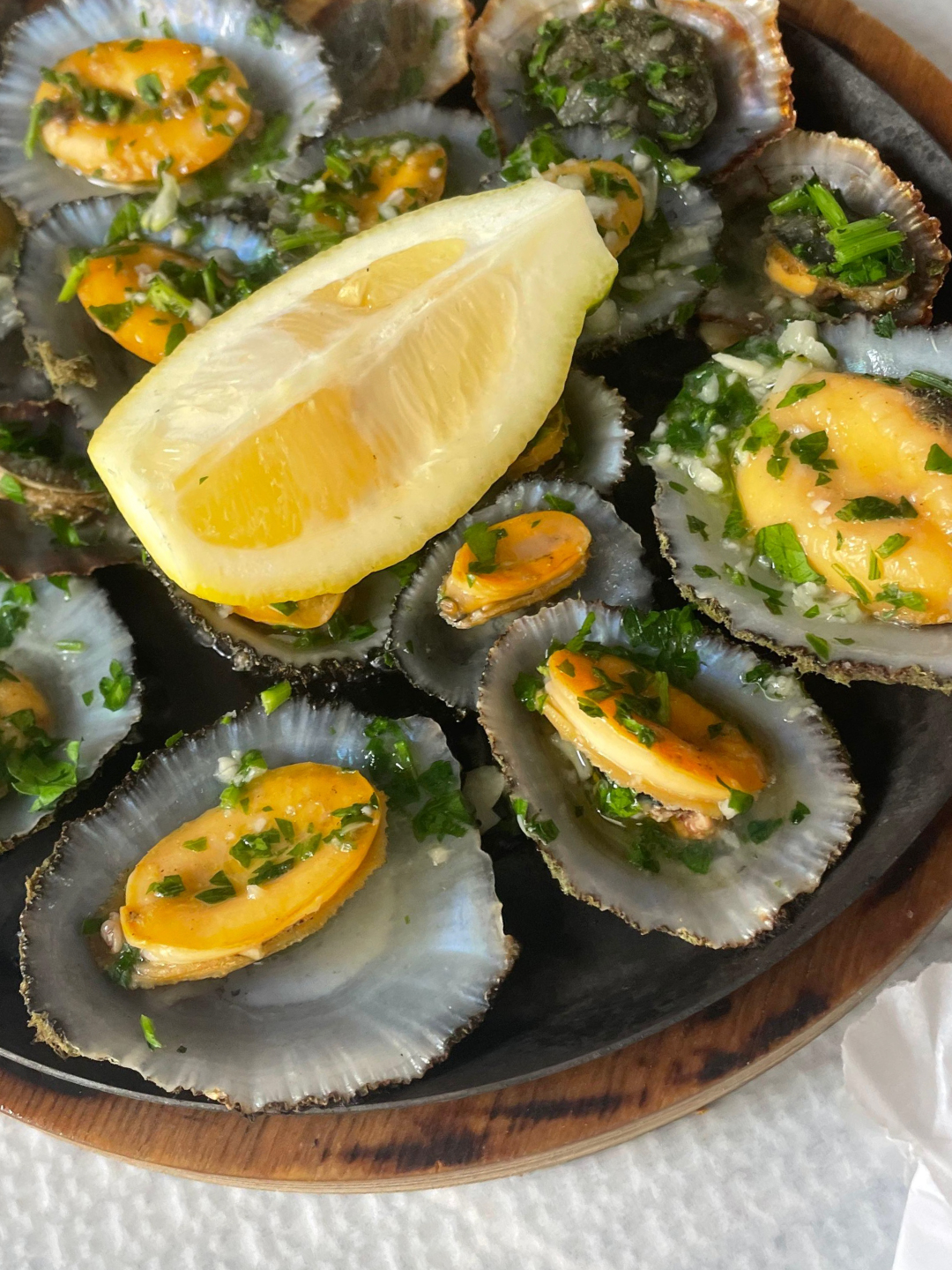
The first taste of these mollusks will, most likely, be the most indulgent. In our local restaurants, the sound of the lapas gives them away before they even land on the table. They arrive sizzling in the iron skillet where they are finishing being grilled, releasing that unmistakable aroma of butter, garlic, and the sea. They just ask for a few drops of freshly squeezed lemon and typical Azorean sweet bread to dip in the sauce left at the bottom, of course.
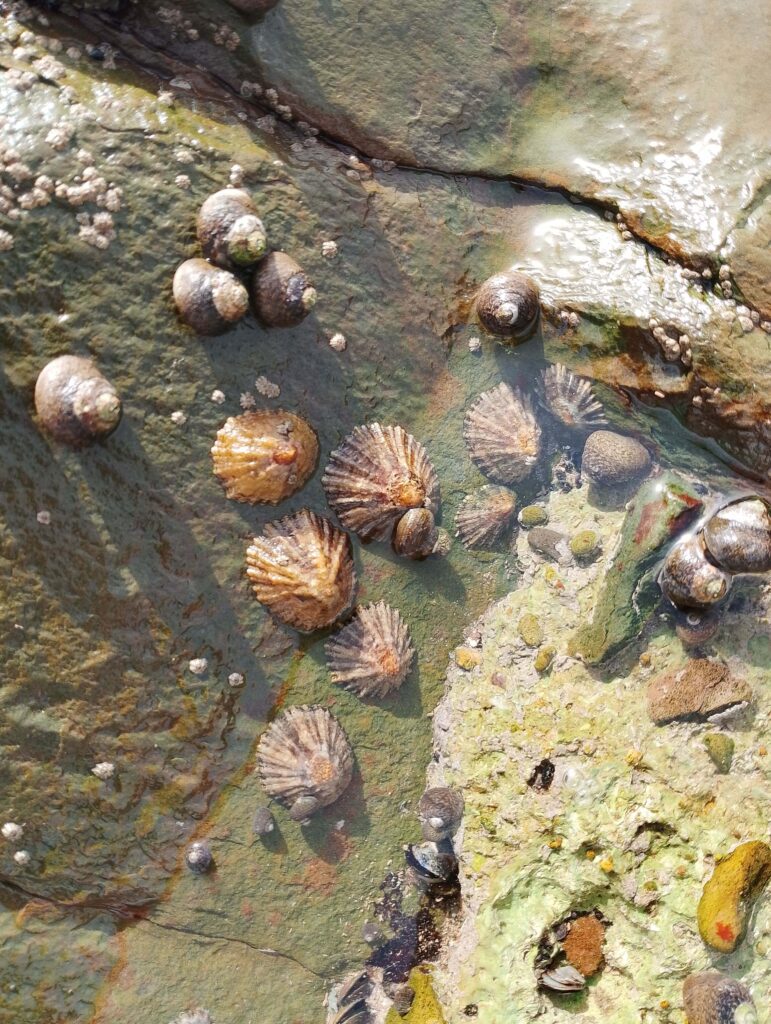
However, there’s a big debate among São Miguel locals about the most authentic way to eat limpets. The less purist among them believe they’re best eaten grilled with just lemon juice, but the true connoisseur insists that the ideal way is actually to eat them raw.
Want to find out who’s right? Check out a nearby fish market or find a local forager. The version with garlic butter is the richest and most common in restaurants, but why not challenge the status quo and try the raw version?
After all, the best surprises come from this desire to do things differently.
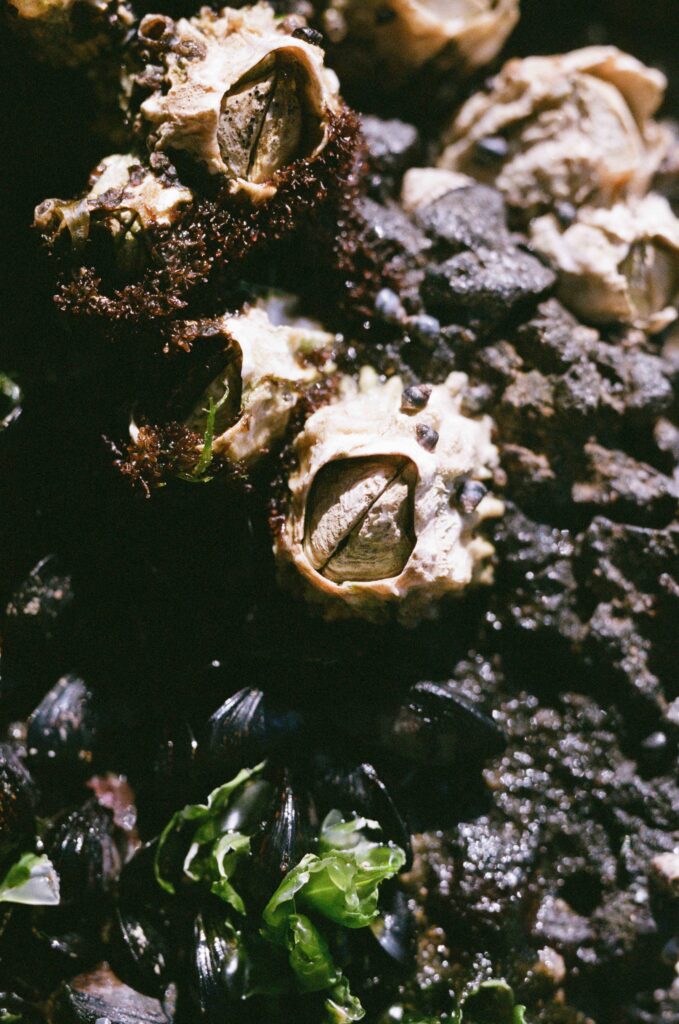
Then, we have the craca. If our beloved lapas are already an island classic, cracas take your culinary adventure to a wonderfully peculiar level. Funnily enough, long before they hit the plate, these little barnacles were the childhood terror of every micaelense, responsible for countless cut feet during barefoot summer strolls on the rocks. Ultimately, this centuries-old rivalry between islander and crustacean found its perfect resolution: in a bubbling pot of seawater.
Visually, they look like small limestone rocks, which can be found along the rocks on the beaches of São Miguel, on the hulls of boats and ships, or even on animals like the whales and dolphins who live off our coast and they even have an extremely famous cousin, the barnacle, or percebes as we call them, (which are highly recognized in the world of haute cuisine and fine dining) but, between us, we believe that their purest version is the one we share at the local tasca.
In fact, the complexity of this family of crustaceans is such that they fascinated even Charles Darwin himself! We even have a special secret: the Azorean craca is exclusive to our archipelago, an endemic treasure impossible to taste anywhere else in the world.
They’re harvested along the coast, to then be boiled in seawater itself, finally arriving at the table cold. Eating them is a true work of skill (but we will teach you!).
With a toothpick, we open the craca’s “beak” with precision and, with a firm pull, extract the “meat” from its rocky shell. The final act, which we consider mandatory, is bringing the shell to your mouth and drinking the saltwater left inside. It is, in the most literal way possible, tasting the Azorean sea.
We know that this raw and pure connection to the ocean is a privilege, and the community takes its protection very seriously. Harvesting is subject to rigorous quotas and strict closed seasons so that the sea has time to regenerate its life.
Therefore, if on a summer day you are told that there are no lapas or cracas available, take the “no” with a smile: it just means that the island is resting and protecting its heritage.
Tasting these delicacies transforms a simple afternoon into a true immersion in our culture. Pulling up a chair facing the waves, ordering a full platter, and sharing the meal is one of the most genuine experiences you can have in São Miguel, with the absolute guarantee that you are savoring the Azores in their purest, clearest, most natural (and deliciously umami) state.